









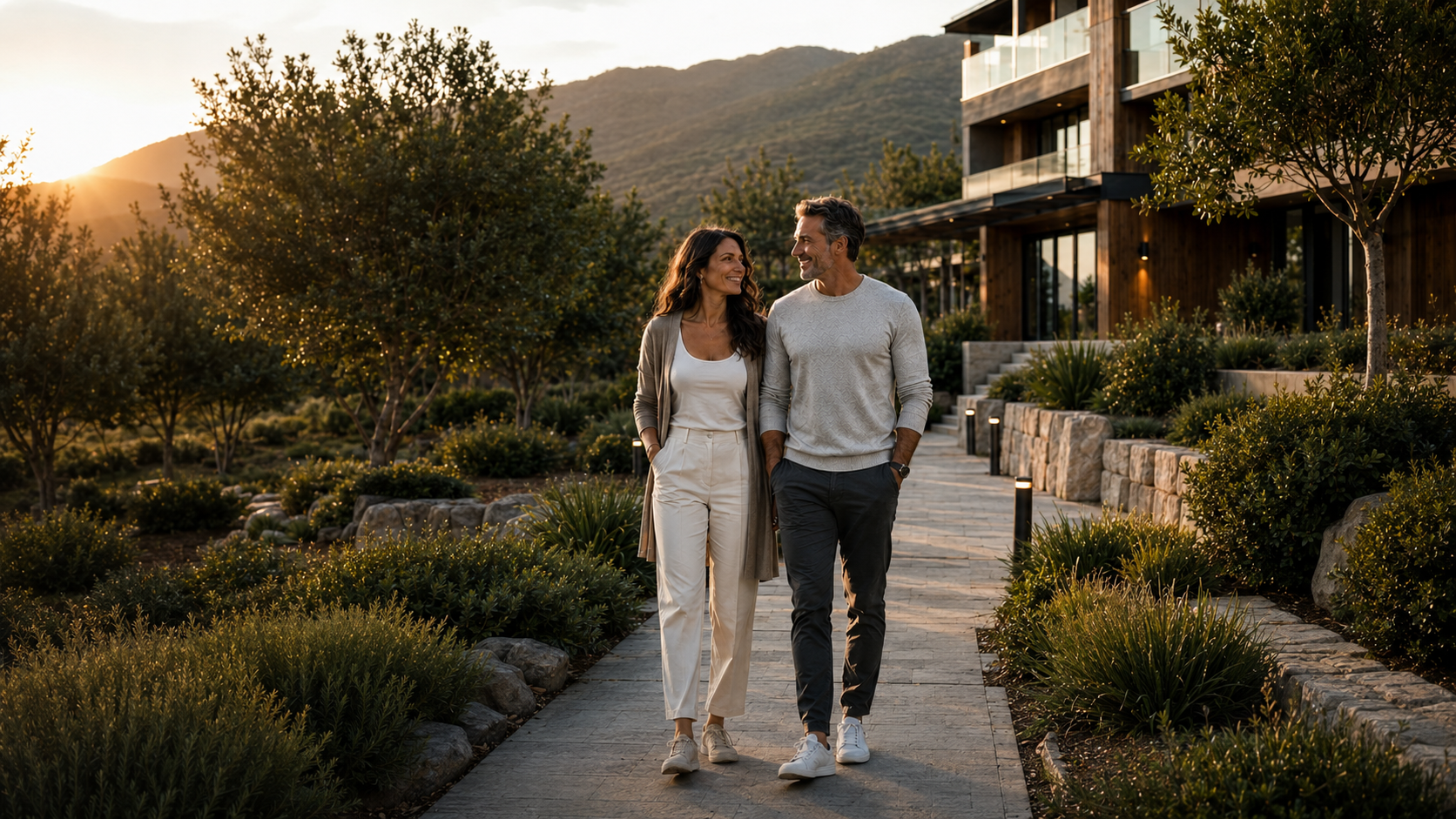
Wellness Is Reshaping the Future of Real Estate
For decades, homebuyers prioritized location, price, and square footage.
Those factors still matter, but they're no longer the only things driving purchasing decisions.
Consumers increasingly want homes and communities that actively support their health. From cleaner air and walkable neighborhoods to fitness amenities and access to nature, wellness has become a defining feature of modern real estate.
That change is fueling one of the fastest-growing sectors in the global wellness economy.
According to the Global Wellness Institute, the wellness real estate market reached $876 billion in 2025 and is projected to grow to $1.8 trillion by 2030. It's now one of the fastest-growing segments in global construction, reflecting a broader shift toward healthier lifestyles and preventive wellbeing.
This isn't simply about building better homes - it's about building healthier environments.
Health Is Becoming a Key Feature of Homebuying
Consumers aren't just asking where they want to live, they're asking how their environment affects their health.
Research continues to show that the places where people live influence everything from physical activity and mental wellbeing to sleep quality and long-term health outcomes. As awareness grows, buyers are placing greater value on communities that make healthy living easier.
Today's wellness-focused developments often prioritize features such as:
- Walkable neighborhoods that encourage daily movement.
- Parks and green spaces that improve mental wellbeing and increase outdoor activity.
- Cleaner air and healthier building materials that support indoor environmental quality.
- Fitness and recreation amenities that promote active lifestyles.
- Spaces designed to reduce stress, including quieter environments and nature-focused design.
These features aren't simply lifestyle upgrades, they're becoming competitive advantages in the housing market.
Wellness Real Estate Is Growing Far Faster Than Construction
The numbers show just how quickly this category is expanding.
While the broader global construction industry grew approximately 3% between 2024 and 2025, wellness real estate grew 23% during the same period, according to the Global Wellness Institute.
That means wellness-focused development expanded nearly eight times faster than construction overall.
This isn't an isolated spike either.
Since 2019, wellness real estate has averaged annual growth of more than 23%, making it one of the fastest-growing sectors across the entire wellness economy. The market is changing because developers recognize that healthier communities are becoming more valuable to both buyers and investors.
Countries Around the World Are Investing in Healthier Communities
This trend extends well beyond North America.
Governments and developers are investing billions of dollars into large-scale projects centered around health, active living, and environmental design.
Some of the fastest-growing wellness real estate markets include Italy, Spain, and Saudi Arabia, where investment has accelerated dramatically over the past several years. Large master-planned communities are integrating parks, walking trails, fitness facilities, and wellness-focused public spaces from the earliest stages of development.
The United States remains the largest individual wellness real estate market, while China continues to invest heavily as consumer demand grows. Together, these investments reflect a larger shift in how cities and neighborhoods are being planned.
Health is becoming infrastructure.
Why This Matters for Health and Wellness Brands
The rise of wellness real estate signals a broader change in consumer expectations.
People increasingly want environments that support healthy behaviors rather than relying solely on personal discipline. Communities are being designed to make movement, recovery, social connection, and healthier daily routines easier. That creates opportunities far beyond real estate itself.
Step 1: Build Products That Fit Into Healthier Lifestyles
Consumers are looking for solutions that integrate naturally into everyday life.
Brands that align with broader wellness habits, including nutrition, fitness, recovery, longevity, and preventive health, are likely to benefit as healthier communities become more common.
Step 2: Focus on Long-Term Wellbeing
The wellness economy continues shifting away from reactive healthcare and toward prevention.
Consumers are investing in products, services, and environments that help them stay healthy rather than simply treating illness after it occurs. The strongest brands position themselves within that long-term mindset.
Step 3: Design Around the Entire Customer Experience
Consumers increasingly evaluate wellness as a complete lifestyle rather than a collection of individual purchases.
The companies that win will be those that create connected experiences across physical health, mental wellbeing, nutrition, recovery, and community. As expectations evolve, wellness becomes something people experience every day, not something they purchase occasionally.
The Future of Real Estate Is Health
The next generation of homes won't compete on square footage alone - they'll compete on how well they improve quality of life.
Developers are increasingly designing communities that encourage healthier habits, stronger social connection, cleaner environments, and greater overall wellbeing. As longevity and preventive health become larger priorities, these features are likely to move from premium amenities to standard expectations.
The future of housing isn't simply about where people live - it's about how those places help people live better.
Final Take
The wellness real estate market is on track to become a $1.8 trillion industry because consumer priorities are changing.
People no longer view health as something that only happens inside hospitals, gyms, or clinics - they're beginning to expect it from the places they live.
For developers, healthcare companies, and wellness brands alike, that represents a significant opportunity.
The next generation of competitive advantage may not come from building larger homes, it may come from building healthier ones. Health is becoming part of the foundation of modern living.
The communities built over the next decade will shape how millions of people live, move, and stay healthy.
