







Athleisure Is Redefining Modern Apparel
Workout clothes aren't just for working out anymore.
Over the past decade, the line between athletic wear and everyday clothing has almost disappeared. Consumers are buying fewer single-purpose outfits and investing instead in versatile apparel they can wear throughout the day.
That created one of the fastest-growing categories in apparel.
According to Fortune Business Insights, the global athleisure market was valued at $368.6 billion in 2025 and is projected to reach $844.8 billion by 2034, growing at a compound annual growth rate of 9.7%. Rising health consciousness, hybrid work, and demand for versatile clothing are among the biggest drivers behind that growth.
Consumers aren't simply replacing jeans with leggings - they're changing what they expect clothing to do.
Health Is Changing How We Dress
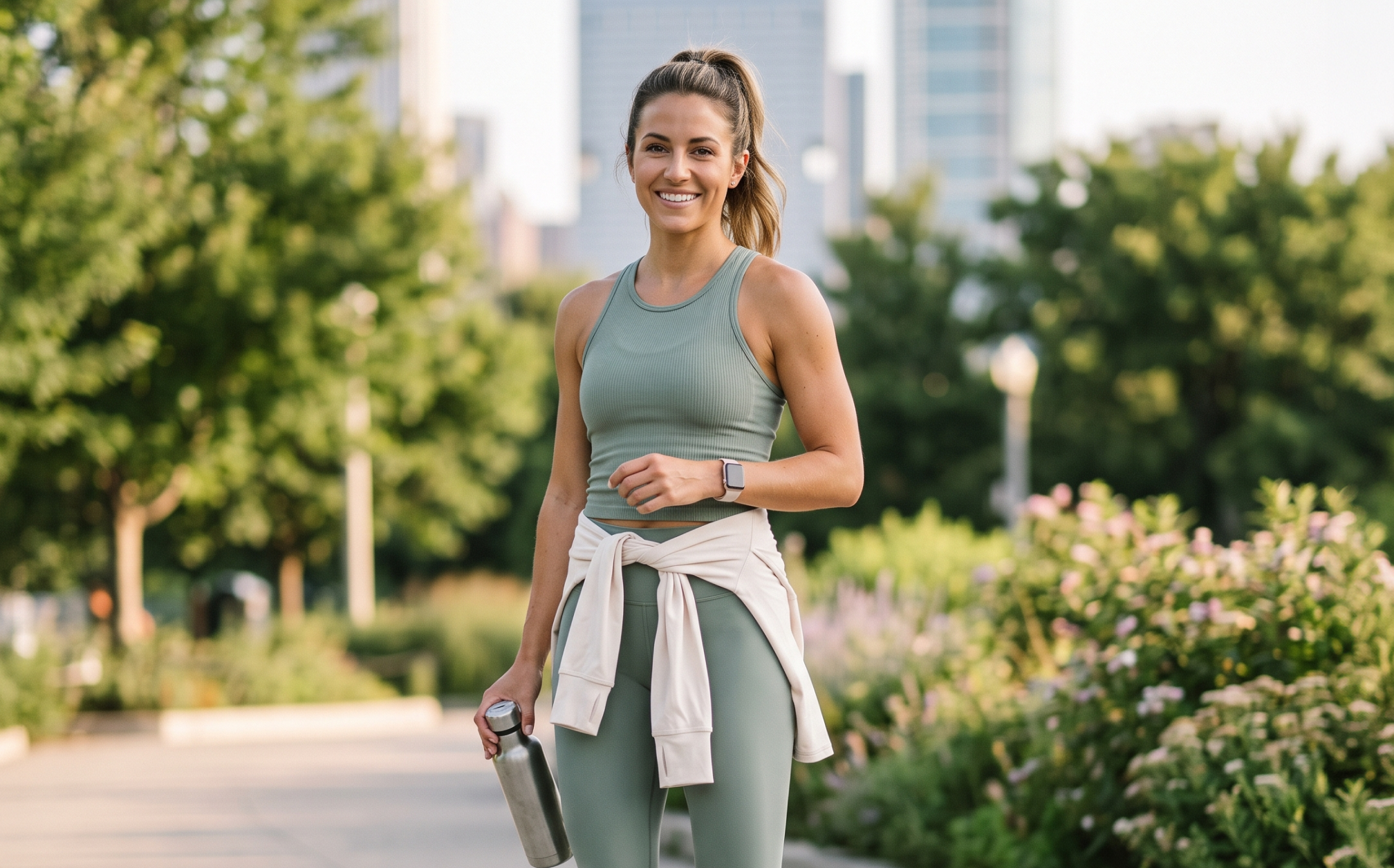
As wellness becomes a bigger priority, performance apparel is replacing traditional casualwear.
Consumers increasingly want clothing that supports every part of their lifestyle instead of requiring a different outfit for every activity. One purchase now needs to work across multiple settings, whether that's exercising before work, traveling, meeting friends, or working remotely.
Athleisure fits naturally into that lifestyle because it combines performance with everyday wearability.
Instead of buying separate wardrobes, consumers are investing in pieces that move seamlessly between:
- Active lifestyles, from workouts to outdoor recreation.
- Hybrid work, where comfort matters as much as appearance.
- Travel, with lightweight, wrinkle-resistant fabrics.
- Everyday life, from coffee shops to running errands.
That versatility has become one of athleisure's biggest competitive advantages.
Performance Has Become the New Premium
Style alone isn't enough anymore - consumers increasingly expect clothing to perform as well as it looks.
Features that were once considered premium have quickly become baseline expectations. Moisture management, stretch, breathability, odor resistance, and lightweight fabrics all influence purchasing decisions because consumers expect apparel to work across different environments.
For brands, that changes how products are positioned.
They're no longer selling fashion alone -they're selling functionality.
The strongest brands combine multiple benefits into a single product, making it comfortable enough to wear all day while remaining technical enough for exercise and stylish enough for everyday life.
Sustainability Is Becoming a Competitive Advantage
Performance is no longer the only expectation.
Consumers also want transparency.
As environmental awareness grows, shoppers are paying closer attention to how products are made, what materials are used, and whether brands align with their values. Sustainability is becoming a competitive differentiator, particularly among younger consumers who increasingly factor environmental impact into purchasing decisions.
Leading athleisure brands are responding by investing in recycled materials, organic fibers, lower-impact manufacturing, and more transparent supply chains.
For many shoppers, sustainability is no longer a bonus - it's part of the buying decision.
Why This Matters for Consumer Brands
The growth of athleisure reflects a broader change in consumer behavior.
People increasingly value products that solve multiple problems instead of serving a single purpose. That mindset extends well beyond apparel into health, nutrition, recovery, wellness, and consumer products.
The brands positioned to win understand that versatility creates value.
Step 1: Design Around Everyday Use
Consumers don't want products that only fit one moment.
The strongest brands build products that integrate naturally into everyday routines, making them more useful and more likely to become long-term habits.
Step 2: Sell Outcomes, Not Features
Moisture-wicking fabric isn't the outcome.
Feeling comfortable from morning workouts to afternoon meetings is.
Consumers buy the experience a product creates, not simply the technical specifications behind it.
Step 3: Build Products Worth Paying More For
Athleisure has shown that consumers will pay premium prices when products deliver meaningful value across multiple use cases.
Brands that combine comfort, functionality, durability, and design create stronger pricing power than brands competing on aesthetics alone.
The Future of Fashion Is Functional
Athleisure isn't replacing fashion - it's redefining it.
As consumers prioritize health, flexibility, and convenience, clothing that performs across multiple environments will continue to outperform traditional apparel categories. Performance fabrics, technical innovation, and versatile design are becoming standard expectations rather than premium upgrades.
The biggest opportunity isn't simply selling activewear - it's creating products that become indispensable parts of everyday life.
Final Take
The athleisure market is projected to approach $845 billion because consumer priorities have changed.
People aren't buying more clothing - they're buying smarter clothing.
Versatility, performance, comfort, and sustainability are reshaping what consumers expect from apparel, creating opportunities for brands that solve real lifestyle needs instead of simply following fashion trends.
The future of apparel isn't about dressing for one occasion, it's about designing for every occasion.
Consumers are investing in products that do more.
The brands that deliver more value with every purchase will be the ones that continue to grow.
